Two Directions
Part to Model, and Model to Proof
The same equipment answers two different questions: what is this part, and did we make it right?
Reverse Engineering
A pump housing has been in service for forty years. The OEM is gone, the drawing was never digital, and the pattern rotted away two owners ago. You have exactly one thing: the part.
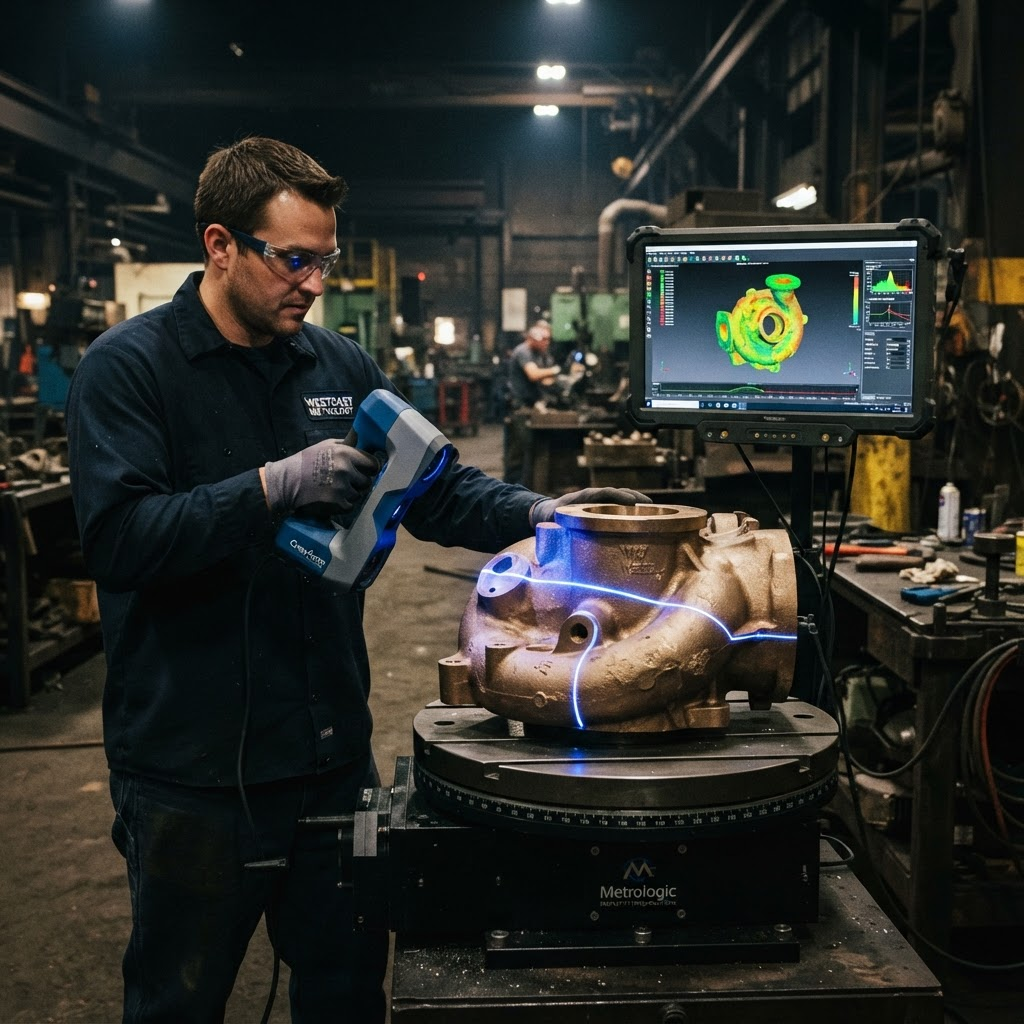
We scan it, rebuild it as a solid CAD model, correct for the wear and corrosion the original casting has accumulated, and add back the shrink and machining stock. What you get is a printable, pourable model — and a drawing that exists again.
- Obsolete and discontinued castings with no surviving print
- Worn parts reconstructed back to nominal geometry
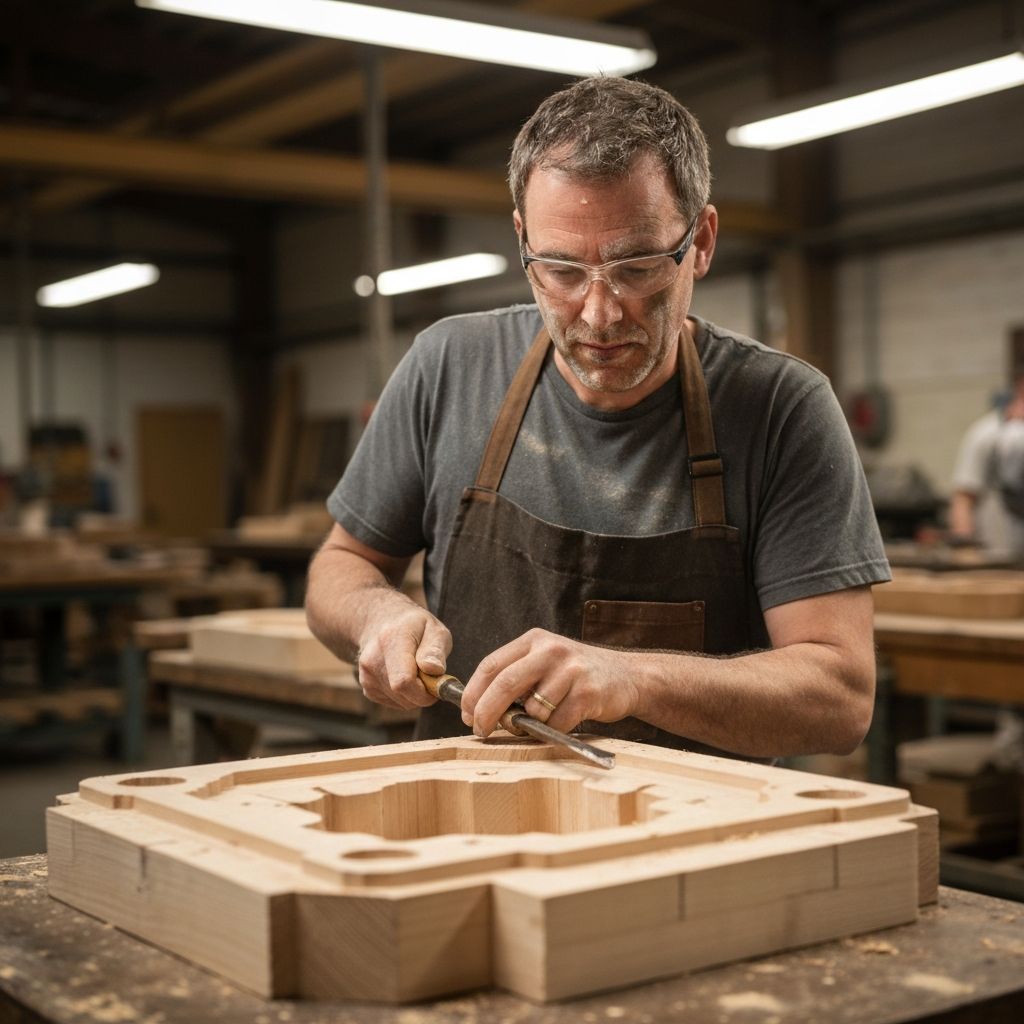
- Hand-carved legacy patterns digitized before they degrade further
- Output as STEP or Parasolid — yours to keep
Dimensional Inspection
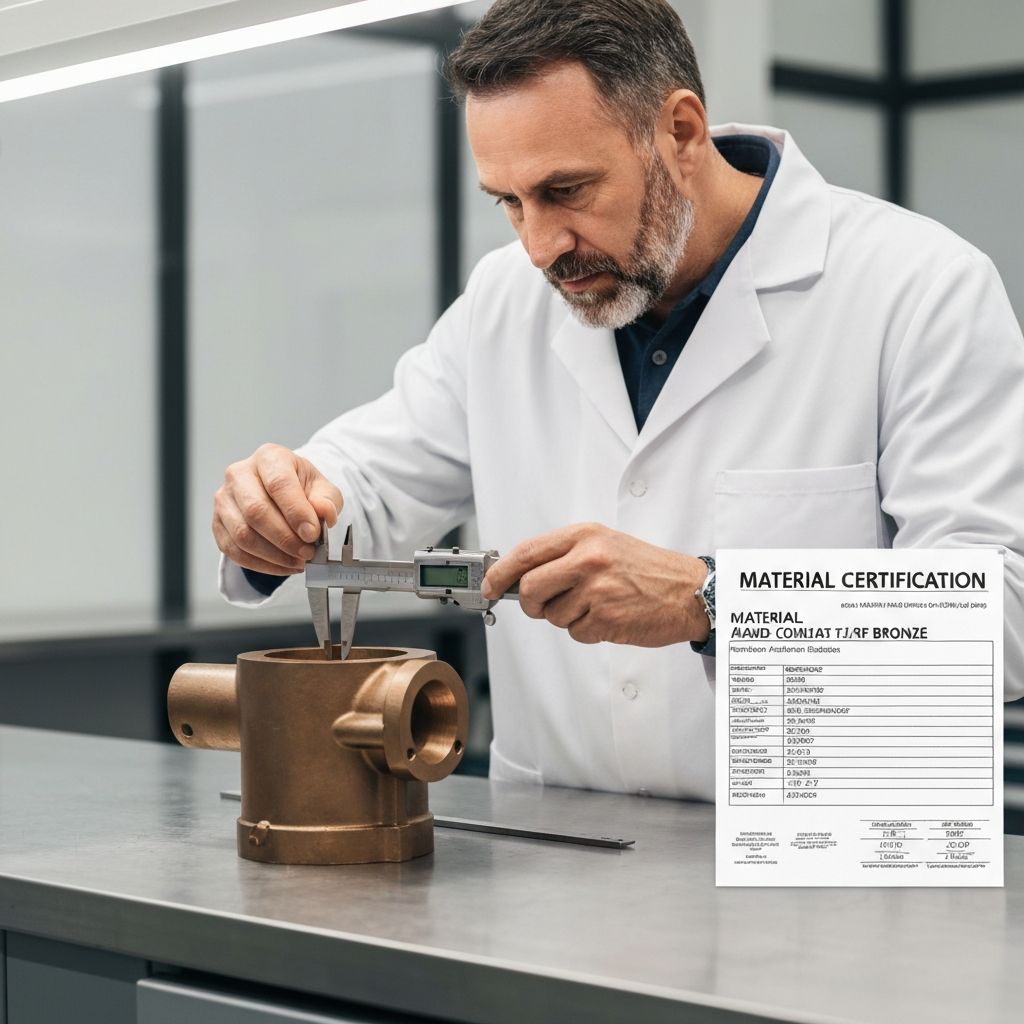
A handful of caliper readings tells you about a handful of points. A scan tells you about the whole casting — every surface, compared against the model it was supposed to match.
The finished casting is scanned and overlaid on the original CAD as a color deviation map. Warpage, pattern shift, and core drift show up as visible fields rather than as a dimension that happened to get checked. Results go into the first-article package.
- Full-surface deviation mapping against your CAD
- First-article dimensional layout and reporting
- Casting-to-model verification on complex contoured parts
- Pattern and tooling wear tracked over production life
Why It Matters
Scanning Removes the Guesswork
Start From the Part
No model, no drawing, no pattern — no problem. Scanning turns the physical casting into the geometry everything downstream needs.
Feeds the Printer Directly
A scan-derived model goes straight into binder-jet sand printing. Obsolete part in, printed mold out, with no pattern ever being built.
Proof, Not Assertion
Deviation maps show what the casting actually is against what it was meant to be. That is a document you can hand to a customer or a surveyor.
Complex Contours
Propeller blades, volute passages, and impeller vanes are hard to measure conventionally and straightforward to scan.
Specifications